
Check Card Availability Before You Deposit
 Available in US
Card logos do not guarantee availability: payment options can depend on location and the methods enabled for an account.

How online casino card payments work
A card deposit is a way to add funds to an account. It is not, by itself, proof that a casino supports card payments for every player or every country. The distinction matters in New Zealand: a cashier may display card logos or describe card payments in general terms, while the options offered to a particular account can depend on the player’s location and the payment methods enabled for that account.
A specialist review reports Visa, Mastercard and Visa Electron among payment options for New Zealand players, alongside Skrill, Trustly, Neteller, iDebit and Apple Pay. That is a report about available options, not a guarantee that any one casino will accept every method for every New Zealand account. Payment menus can change, and a method listed in general information may not appear when you sign in. Treat a logo or a broad claim as a prompt to verify availability, not as confirmation that a card deposit will go through.
The basic deposit process is straightforward in principle. You choose a payment option in the cashier, enter the requested payment details, and submit the transaction for processing. The cashier then shows whether the payment has been accepted or could not be completed. The exact screens and information requested vary, so there is no single sequence that applies to every casino. A card deposit may also be handled differently from a transfer through a digital wallet or another payment service, even when all of them appear in the same cashier.
If you’re considering a casino that accepts credit cards in New Zealand, check the payment terms and availability directly before you deposit. This list gives you a concise starting point for reviewing the available operator details.
-
Neospin
- License
- Tobique Gaming Commission, licence no. 0000064
Neospin lists a licence from the Tobique Gaming Commission, number 0000064.
-
N1 Casino
- License
- Malta Gaming Authority, licence no. MGA/B2C/394/2017
N1 Casino lists a Malta Gaming Authority licence, number MGA/B2C/394/2017.
-
Lamabet
- Payout speed
- 1-3 business days
Lamabet lists a payout speed of 1–3 business days.
-
BitStarz
- License
- Curaçao Gaming Authority, licence no. OGL/2024/165/0185
BitStarz lists a Curaçao Gaming Authority licence, number OGL/2024/165/0185.
-
Play Grand
- License
- Malta Gaming Authority, licence no. MGA/B2C/370/2017
Play Grand lists a Malta Gaming Authority licence, number MGA/B2C/370/2017.
-
Zotabet
- License
- 07017519840
- Payout speed
- 1-3 business days
Zotabet lists licence identifier 07017519840 and a payout speed of 1–3 business days.
-
Ricky Casino
- License
- Tobique Gaming Commission, licence no. 0000002
Ricky Casino lists a licence from the Tobique Gaming Commission, number 0000002.
-
Wintino
- Payout speed
- 1-3 business days
Wintino lists a payout speed of 1–3 business days.
-
7Bit Casino
- License
- Tobique Gaming Commission, licence no. 0000091
7Bit Casino lists a licence from the Tobique Gaming Commission, number 0000091.
This is why “accepts cards” can be an incomplete description. It may refer to card deposits generally, rather than confirming that a particular card type is available to a New Zealand player. It may also describe a payment option the casino offers in some circumstances, without establishing that it is enabled for your account. The relevant question is not only whether a site mentions cards, but whether its cashier presents a card option for your own account before you commit funds.
The term “credit card casino” can also blur two separate matters: the casino’s payment facilities and the card issuer’s treatment of a transaction. The casino determines which options it makes available through its cashier; the card transaction is then subject to the payment arrangements involved. A displayed card option is not a promise that every attempted payment will be accepted. Nor should a successful deposit be read as a general statement about what will happen with later transactions. Deposit acceptance answers a narrow question: whether funds were added through that payment route at that time.
It is useful to keep card deposits distinct from other ways of paying. A digital wallet, bank-linked service or mobile payment option may be shown near card choices, but it is not the same as entering card details directly. The names in a cashier can therefore describe different routes rather than interchangeable versions of a card payment. If a page groups them together under a broad “payments” heading, check the specific option rather than assuming that every listed method works in the same way.

Readers looking for the best credit card online casino may be trying to find a site that accepts their card. But a general ranking cannot settle whether the cashier will offer that method to a particular New Zealand account. The practical value of any payment claim depends on account-specific availability, not just wording on a public page. “Card accepted” is useful only when the actual payment route is clear.
A card logo can also create an expectation about what happens after a deposit. Keep that expectation separate from the deposit itself: seeing a card listed for funding does not establish what other payment functions the casino supports. The label describes one possible use unless the cashier or the casino’s payment terms say more. That distinction applies whether you have searched for a credit card online casino, an online casino that takes cards, or a way to fund an account with a familiar payment method.
For now, the key point is modest but important: card deposits are one part of a casino’s payment setup, and availability needs to be understood in the context of a New Zealand account. A general list of payment brands can help you recognise possible options, but it cannot confirm that a specific card route is available to you. The cashier’s actual choices are more relevant than a logo, a headline or an undated list.
Check the New Zealand status before you deposit
A casino website opening from New Zealand does not, by itself, show what legal position its operator has. Access to an offshore site and authorisation under New Zealand’s online casino framework are separate matters. Before creating an account, check whether the operator says it is serving New Zealand players and what basis it gives for doing so. Then compare that statement with the current requirements and transition dates set by New Zealand law.
The Online Casino Gambling Act 2026 came into force on 1 May 2026 and created New Zealand’s first domestic licensing framework for online casino gambling. It does not mean that every site reachable from New Zealand is already licensed. The full licensing regime is not expected to be operating until 2027, so the transition period matters when you assess a site’s status.
New Zealand’s rules also have a history that can make older descriptions misleading. Under the Gambling Act 2003, online casinos could not be based in New Zealand. Before the 2026 Act, gambling offered online from outside the country was not licensed or supervised by a New Zealand regulator. Customers using an offshore website during that earlier period had no domestic government recourse. A page that describes an operator as “licensed” may be referring to an overseas licence, not a New Zealand one.
 New Zealand Casinos with Flexepin: Rules and ChecksLearn how New Zealand’s online casino rules affect offshore sites, and why Flexepin availability does not confirm a casino’s licensing or withdrawal…
 Trustly at NZ Casinos: How to Check AvailabilityLearn how to verify Trustly support for a specific casino, location and payment action, and why operator pages matter more than old…
What the transition means
The new Act allows only providers that were already operating in New Zealand to continue during the transition, subject to its transitional provisions. An online casino that was providing services to people in New Zealand before 1 May 2026 may continue until 1 December 2026. This temporary permission is not the same as holding a New Zealand online casino licence.
The deadline also has consequences for providers. A provider that has not applied for a licence must stop conducting online casino gambling in New Zealand by 1 December 2026. If an application is declined, the provider must end its online casino operations in New Zealand and leave the market. Unlicensed operation is expected to become an offence from around mid-2027, and operators without a licence may face enforcement action and fines of up to NZ$5 million. These are requirements for providers; they do not mean that a player should treat a website’s continued availability as proof of approval.
When checking a site, look for a clear statement about whether it was already serving New Zealand customers before the transition began and whether it has applied for a New Zealand licence. Treat those statements as claims to verify, not as independent confirmation. A site’s overseas licence, its years in business, or a label such as “regulated” does not establish that it has approval under the New Zealand framework.
Who oversees the framework?
The Department of Internal Affairs is New Zealand’s primary gambling regulator and oversees the online casino licensing framework. The Gambling Commission handles licensing decisions: it considers and determines applications, issues online casino licences, and approves changes to licence conditions. These roles are related but distinct. A reference to the Department of Internal Affairs should not be mistaken for an individual operator’s licence, while a licensing claim should identify the relevant New Zealand authorisation rather than rely on general language about regulation.
Use information from the responsible New Zealand authorities to check the framework and any published licensing information. Then read the operator’s own terms for its stated position in New Zealand. Pay attention to whether the site distinguishes a New Zealand licence from an overseas one, and whether its wording describes a current licence, a pending application, or temporary operation under the transition. Those statuses are not interchangeable.
The transition can make older pages particularly unreliable. A review written before 1 May 2026 cannot establish that an operator has applied under the new Act. Likewise, a page saying that the licensing system is not yet fully operational may have been accurate when published but does not answer whether a particular provider is eligible to continue during the transition. Check the publication date and whether the explanation reflects the rules now in force.
 NZ Casinos With Prezzy Card: What to VerifyLearn why a search result linking a casino to Prezzy Card does not confirm acceptance, and what to check before attempting a…
 NZ Casinos with AstroPay: Deposit and Withdrawal ChecksLearn how to check whether AstroPay is available for your New Zealand account and why deposit availability may differ from withdrawal options.
New Zealand residents may still be able to access offshore websites, but technical access is not evidence of domestic authorisation. The practical check is therefore not simply whether a site loads or accepts an account registration. It is whether the operator’s New Zealand status fits the transitional provisions now, and whether its licensing position changes as the transition proceeds. If the site gives no precise explanation, do not fill that gap with assumptions based on its branding or an overseas licence.
What a casino credit card payment actually involves
A card payment at an online casino has two separate questions behind it: can the card be used to fund the account, and can that same method be used to receive money back? They may sound like two sides of one transaction. They are not interchangeable permissions. A specialist review has reported that a payment method’s availability to New Zealand accounts for deposits can differ from its availability for withdrawals. Treat that as a reason to check the specific function, not as a guarantee about every casino or card.
For a deposit, you select a card option in the cashier and enter the requested payment details. The payment then has to be accepted for that transaction. Seeing a card logo on a site, or finding a card option described in general terms, does not by itself confirm that your account can use it. Nor does a successful deposit establish what will happen when you later request a withdrawal. Those are distinct points to establish.
The distinction matters because payment pages can use broad labels. “Card” may describe a way to pay in, without making clear whether the option applies to credit cards, debit cards, or both. It may also refer only to deposits. A player looking for a credit card casino in New Zealand should therefore avoid treating the presence of a card symbol as a complete description of the payment service. The relevant question is what the cashier permits for the account and for the particular transaction.
A deposit is the movement of funds into a casino balance. A withdrawal is a request to move funds out. Even where the same card details appear in both parts of a payment journey, the casino’s system may not offer the card as a destination for a payout. The deposit route and withdrawal route should be understood separately, rather than assumed to mirror each other.
This is not a small technical distinction. If you choose a site because it accepts a card deposit, but later discover that card payouts are not available, you may have to use another permitted destination. That can affect how you plan to receive funds. It is better to know the difference before treating a card as an all-purpose connection between your bank and the casino.
The phrase “casino credit cards” can also blur two different ideas: cards that a player uses to deposit, and cards that a casino can pay back to. A card may be usable for the first purpose without being supported for the second. The same caution applies if a cashier describes a payment option as a card without specifying whether credit-card funding is included. The wording needs to describe the actual function, not merely the general payment category.
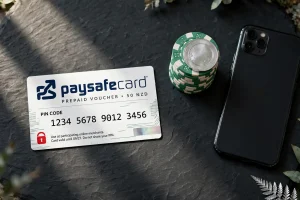 New Zealand Casinos with Paysafecard: What to CheckCheck whether Paysafecard appears in your casino cashier, and review the payment amount and transaction details before authorising a deposit.
 MiFinity Casinos in NZ: Deposit and Withdrawal ChecksLearn how to check whether MiFinity appears in a New Zealand account’s cashier, and why deposit access does not confirm withdrawal access.
A card deposit also should not be mistaken for a cash withdrawal from a casino. It is a payment into the account, not evidence that the card can later receive cash or that the casino offers a cash-like service through the card. If you are asking how to get cash from a credit card at a casino, separate that idea from depositing: the relevant casino function is whether it accepts the card as a payment method, while a payout is a distinct transaction with its own supported routes. Do not infer one from the other.
The practical test is simple in principle: identify the payment method and its direction. Is the cashier offering this card to make a deposit, to receive a withdrawal, or both? General descriptions and payment logos may not answer that. The account-specific options matter, and a statement that card deposits are accepted should not be read as a statement that card withdrawals are supported.
That distinction is also useful when comparing sites. A page may describe card deposits prominently while saying little about withdrawals. That omission does not prove that a card payout is unavailable, but it does leave the point unresolved. Equally, the presence of a withdrawal option elsewhere in the cashier does not establish that it works with the card used for a deposit. Payment methods should be compared by function, not by how often their names appear.
For your own records, keep the deposit confirmation and the payment description shown at the time. They can help you identify which method was used if you later need to ask about a transaction. They do not, however, replace confirmation of the withdrawal route. A deposit receipt documents the payment in; it is not a promise about how funds can be sent out.
The main point is narrower than the wording on many payment pages suggests: card acceptance for deposits and card support for withdrawals are separate matters. Confirming the first tells you how you may fund the account. It does not settle the second.
Before you enter card details on a casino site
A payment logo on a casino’s home page does not tell you whether a card deposit is available to your New Zealand account. Payment menus can depend on the country selected during registration, the account’s verification status and the cashier settings in force when you sign in. Check the options shown to you, rather than treating a general payment list as confirmation.
Start with the account details you supplied when registering. Make sure your country is set to New Zealand and that the cashier is displaying methods for that account, not a generic list intended for visitors from several countries. If the site asks you to select a country before showing payment options, make that selection before drawing conclusions. A method appearing in a general help page or promotional panel is not proof that you can use it.
 NZ Casinos with Jeton: Deposit and Withdrawal ChecksLearn how to check Jeton separately in the signed-in cashier for deposits and withdrawals, and why deposit acceptance does not guarantee a…
 NZ Casinos with PayPal: What to CheckLearn how to check PayPal availability for your account, compare casino payment information with the cashier, and assess deposits, withdrawals and safety.
Then open the cashier while signed in and inspect the deposit options. Look for the card network or method itself, not simply a broad label such as “cards.” If Visa or Mastercard appears, check whether the option is enabled and whether the deposit screen lets you proceed to the amount and payment details. A logo that is only part of a page image, or an option marked unavailable, does not establish that a payment can be made.
A specialist review has listed Visa, Mastercard and Visa Electron, as well as Skrill, Trustly, Neteller, iDebit and Apple Pay, among payment options for New Zealand players. That is a report of options, not a guarantee that any one of them is currently offered to every New Zealand account. Treat it as a prompt for what to look for in the cashier, not as a substitute for checking the account you will use.
If a card option is missing, do not assume that changing browsers, choosing another country or entering card details into a different payment screen will make it available. Check the casino’s payment information for country-specific restrictions, then ask customer support whether card deposits are enabled for New Zealand accounts. Give the exact method you are asking about and describe what the signed-in cashier shows. A reply that confirms only that the casino accepts cards in general does not answer whether your account can use one.
Verifying Card Options
-
1
Check Account Settings
Ensure your country is set to New Zealand and you are signed in to view account-specific methods.
-
2
Inspect the Cashier
Look for the specific card network (e.g., Visa or Mastercard) rather than a general "cards" label.
-
3
Test Availability
Verify if the option is enabled and allows you to proceed to the amount and payment details screen.
-
4
Consult Support
If the method is missing, ask customer support specifically if that card route is enabled for New Zealand accounts.
Before continuing, read any conditions attached to the option. The payment screen may identify a minimum or maximum deposit, accepted card networks, or restrictions on the card type. Use only details that the casino requests in its own secure payment flow. If a message, chat agent or email asks you to send complete card security information outside that flow, stop and verify the request through the site’s official support channel.
Check whether the site distinguishes between a card deposit and other ways to fund an account. A casino may display several payment methods without offering all of them to every customer. The presence of an e-wallet or bank-payment option does not establish that a card is also supported. Conversely, a card logo on a general payment page is not enough to establish that it is available in your cashier.
Keep a record of the information you relied on: the payment options visible in your signed-in account, any relevant conditions, and the answer from support if you had to ask. Payment availability can change, so an old review, saved screenshot or previous experience with another account may not reflect the current menu. Recheck the cashier before making a deposit if a significant amount of time has passed or account details have changed.
If the cashier does not clearly show a card option for your New Zealand account, pause rather than testing the details on an uncertain screen. The practical check is simple: the method should be visible as an available deposit option in your own account, and any uncertainty should be resolved with a clear, account-specific answer from support before you proceed.
 NZ Casinos That Accept Skrill: What to CheckLearn how to verify Skrill in a casino’s cashier and payment terms, including whether it covers deposits, withdrawals or both.
 NZ Casinos with MuchBetter: Deposit and Payout ChecksLearn why a MuchBetter logo may cover deposits but not withdrawals, and why New Zealand account access should be checked in the…
Depositing by card in NZD
If you are considering a casino deposit with a credit card, check the currency shown in the cashier before confirming it. An NZD option can make the amount you intend to deposit easier to compare with the figure displayed on your card statement. But the currency shown in the casino account is not, by itself, a guarantee about how every later transaction will be handled.
Keep two points separate: the currency used to display your casino balance and the currency used to settle a transaction. A balance may appear in New Zealand dollars even though a later payment is processed in another currency. If that happens, conversion rates or an exchange margin may affect the amount received. A specialist review has reported this distinction, but the details can depend on the payment arrangements in use.
Before depositing, look for the cashier’s currency selection and any explanation of how the site handles currency conversion. Check the amount and currency presented on the card-payment screen as well. If those details are unclear, pause and ask the operator to explain them before authorising the transaction. A figure shown in NZD is useful information; it is not a substitute for checking the terms that apply to the payment.
It also helps to keep a record of what you confirm: the displayed balance currency, the deposit amount and the currency shown at checkout. That gives you something concrete to compare against your card statement and account history. If the figures do not match, you can ask the operator or payment provider which conversion was applied, rather than relying on the balance display alone.
For an online casino with credit card deposits, the practical decision is therefore not just whether the cashier accepts your card. Consider whether the currency shown at each step is clear enough for you to understand the amount being charged. Do not assume that choosing NZD for the account means every transaction will be settled in NZD, or that the displayed figure predicts the final amount after conversion.
Treat unclear currency information as a reason to seek clarification before paying, not as a detail to resolve after the deposit. That is especially relevant when comparing the amount you plan to spend with the amount recorded by your card provider. The currency label helps you read the casino balance; the payment terms explain how money is actually handled.
When a card deposit and a withdrawal take different routes
Using a credit card to deposit at an online casino does not mean the same card can receive a withdrawal. Deposit and payout support are separate functions: a method listed for adding funds to a New Zealand account may not be available for sending money back. A specialist payment-method review notes that this distinction can apply to individual methods, so check the cashier’s withdrawal options as well as its deposit list.
A casino must approve a withdrawal before it starts an external transfer. That approval may depend on identity verification, payment checks and any bonus conditions attached to the account. You must provide proof of identity before a withdrawal can be processed. These checks happen before the transfer route can do its job; a payment method cannot make the casino’s review disappear.

If the card used for a deposit cannot receive payouts, the casino may ask you to choose another eligible destination. Depending on the options it supports, that could be a bank account, a digital wallet or a cryptocurrency address. Confirm that the destination belongs to you and that the casino accepts it for your account before submitting a withdrawal request. A request that names an unsupported destination may need to be changed.
The routes have different characteristics. A bank transfer sends funds directly to a New Zealand bank account. A card payout depends on whether the card issuer and payment network support receiving that transaction. Digital wallets and cryptocurrencies may move funds rapidly after the casino releases them, but that does not mean the casino will approve or release a withdrawal rapidly. A specialist review of payment routes describes these distinctions; actual availability still depends on the casino and account.
For a cryptocurrency withdrawal, the destination is an address rather than a bank account, so check the requested details carefully before confirming. For any route, review the cashier’s instructions and the withdrawal status in your account. “Pending” means the casino has not yet completed its approval; it is not evidence that the external transfer has begun.
Before depositing by card, read the withdrawal terms and identify a workable payout route. If the casino offers card deposits but not card withdrawals, know which alternative you could use and what information it requires. The practical point is simple: the payment that gets money into your balance may not be the one that brings an approved withdrawal out.
Do
- Provide proof of identity before requesting a withdrawal.
- Identify a workable payout route before depositing.
- Check the withdrawal status in your account.
Don't
- Assume a card used for deposit can receive a payout.
- Send banking passwords or security codes for ID checks.
- Pay unrelated fees to unlock a normal withdrawal.
Can you use a credit card at a casino?
Sometimes, but a casino’s general payment page does not establish that a credit card is available to every New Zealand player. Payment options can depend on the account’s country settings, and a method shown in general information may not appear in your own cashier.
Sign in and check the deposit options for your New Zealand account before deciding whether to use a card. Look for the card brand and payment route actually displayed there; do not rely on a logo elsewhere on the site or assume that a card accepted by one casino will work at another. If the option is unclear, ask customer support to confirm whether it is available for your account before attempting a payment.
A specialist casino review has reported that payment availability can differ between New Zealand accounts and that a method offered for deposits may not support withdrawals. Treat that kind of review as a snapshot, not a standing promise: payment arrangements can change, and the cashier for your account is the more direct check.
Also distinguish between seeing a card option and having a transaction accepted. The cashier can show whether the route is offered, while the payment still depends on the relevant transaction being accepted. If the card option is absent, do not enter details through a different form or assume that support can enable it; ask the operator what payment methods are available to your account.

The practical answer is therefore account-specific: you may be able to use a credit card, but only if the casino presents that option for your New Zealand account. Check the deposit and withdrawal functions separately rather than treating deposit access as proof that the same method can receive funds. That simple distinction can prevent an avoidable surprise after you have already chosen how to pay.
Choosing a card—and understanding cash advances
There is no single card that can be called the best choice for every New Zealand player. A card’s usefulness depends on whether the casino accepts that transaction and whether the card issuer and payment network allow it to go through. Check both sides before relying on a particular card: acceptance by the cashier does not, by itself, confirm that your issuer will approve the payment.
Read the card terms or contact the issuer if the wording is unclear. Ask specifically whether online gambling transactions are supported and whether any controls on your account could block them. A card may work for other online purchases but still be declined for a particular transaction. The issuer can explain its own rules; the casino’s cashier can confirm which payment options it presents for your account. Neither answer substitutes for the other.
Understanding Cash Advances
A casino payment may be classified as a cash advance depending on your issuer's rules. This can lead to different charges, interest rates, and immediate interest accrual compared to ordinary purchases.
Ask what the transaction will be treated as
The phrase “cash advance” matters because it can refer to a credit-card transaction handled differently from an ordinary purchase. Whether a casino payment is classified that way may depend on the issuer’s rules and how the payment is processed. Do not assume that every card payment is treated alike, or that the word “credit” in the card’s name tells you how the charge will appear.
Before paying, ask your issuer whether a casino transaction could be treated as a cash advance, what charges or interest rules would then apply, and when interest might begin. These are questions to get answered for your own card, not policies to infer from another cardholder’s experience. If the issuer cannot give a clear answer, using that card means accepting uncertainty about the cost.
Also check how you would manage the balance if the payment is approved. A credit limit is not the same as money set aside for gambling, and paying interest can make a deposit more expensive than the amount shown in the cashier. Set a personal spending limit you can afford and do not treat access to credit as extra disposable income.
Keep the withdrawal route in mind
Choosing a card for deposits does not establish that it can receive a casino payout. A specialist review has reported that digital wallets and cryptocurrencies may transfer funds rapidly after a casino releases them, while a bank transfer offers a direct route to a New Zealand bank account; card payouts, by contrast, depend on support from the issuer and network. These are route differences, not a promise of a particular processing time or a recommendation to use one method.
If you are considering a card partly because you expect winnings to return to it, ask whether that card and network support incoming casino payments. Check the casino’s stated withdrawal options separately as well. If a card cannot receive a payout, you may need another destination, so make sure you understand the available route before depositing.

The practical choice is therefore not simply a card with a familiar logo. Confirm the issuer’s treatment of gambling transactions, the network’s role in any incoming payment, and the cost if the charge is classified as a cash advance. If any point remains unclear, pause rather than relying on assumptions.
What to check on a casino credit card payment
After a card deposit, keep its transaction record and check that the casino has credited the correct amount to your balance. If the payment is pending or the balance does not match, contact the casino through its stated support channel before trying again; a second payment could create a separate transaction to resolve.
Before requesting a withdrawal, check what the casino requires to verify your identity. Proof of ID must be provided before a withdrawal can be processed. Do not send banking passwords, card security codes or one-time login codes as part of standard identity checks.

A specialist review notes that a casino has to approve a withdrawal before the payment provider begins the external transfer. Identity verification, payment checks or unresolved bonus conditions can hold up that approval, so a submitted request is not the same as a payment in transit.
If you accepted a bonus, read its terms before treating related winnings as available to withdraw. A specialist review identifies possible conditions including wagering requirements, rules about which games count, maximum-bet restrictions, expiry dates and a cap on cashout winnings. The terms that apply to your account matter more than the headline offer.
Check the withdrawal status in your account and keep any messages about a review or missing information. If the casino asks you to pay an unrelated tax, insurance fee or release charge to unlock a normal withdrawal, do not treat that as a routine verification step. The important distinction is whether the casino has approved the request and what conditions remain before your funds can be released.
Banking & Crypto Options at NZ Online Casinos
Content created by the «casinohubnz.com» team